Why Strength Training Is Really Just Fighting Gravity
The powerlifter Alexander Pürzel once put it in simple but striking terms:
Why Strength Training Is Really Just Fighting Gravity
The powerlifter Alexander Pürzel once put it in simple but striking terms:
As long as we live on Earth, we are subject to gravity — and strength training is our way of resisting it.
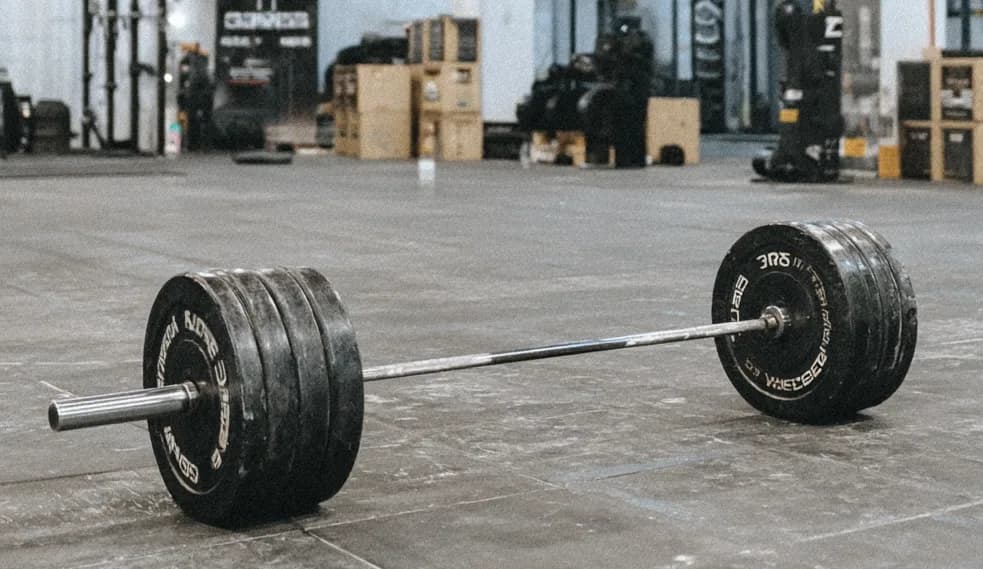
It’s hard to think of a more universal opponent. Gravity doesn’t care about age, goals, or whether leg day got skipped again. It presses down on everyone, 24/7, without mercy and without rest days. Muscle is the only thing standing between us and becoming a permanent part of the furniture. • Muscle keeps the body upright instead of folding forward like a badly pitched tent. • It’s what makes climbing stairs, hauling groceries, or playing with kids feel doable rather than an Olympic qualifier. • And it’s what maintains independence when the years pile up and gravity starts acting like it’s turning up the dial. That’s why it’s called resistance training. Each rep is literally resisting the most constant force in life. The barbell isn’t just heavy because the gym likes to humiliate people — it’s heavy because gravity never lets up.
This perspective matters because it shifts strength training out of the narrow image of sweaty gyms and chalk-dusted barbells. It’s not reserved for bodybuilders chasing PRs. It’s for anyone who wants to keep moving freely in a body that is, let’s be honest, getting older no matter how many collagen supplements appear in the cupboard. Every squat, press, and pull-up is an investment in being able to stand tall against gravity not just today, but decades from now.
Think of it this way: strength training isn’t a hobby. It’s a survival strategy. And unlike most survival strategies, it doesn’t involve eating bugs or building a shelter out of sticks. Just a bit of resistance against the force that never clocks out.
So the next time weights feel heavy, remember: it’s not just about muscle size or gym performance. It’s about fighting the one battle nobody escapes. And in that fight, strength isn’t optional. It’s fundamental.
Frequently Asked Questions about Strength Training and Gravity
Why is strength training called resistance training?
Because every exercise involves resisting an external force — usually gravity working through weights, machines, or bodyweight. “Resistance” isn’t just a fancy fitness term, it’s literally what the muscles are doing.
Is strength training only for athletes?
No. While athletes use strength training to boost performance, the real benefits apply to everyone. Strong muscles help maintain posture, mobility, bone health, and independence as the body ages.
How does gravity affect muscle health?
Gravity constantly pulls the body downward. Without muscle strength, posture collapses, balance worsens, and daily activities become harder. Strength training builds the muscle needed to resist this pull and stay upright.
Can strength training slow down aging?
It can’t stop the clock, but it can make the later years far stronger and more independent. Regular resistance training preserves lean muscle mass, improves bone density, and reduces the risk of falls — all of which become more important with age.
How often should you do resistance training?
Most guidelines recommend two to three sessions per week targeting all major muscle groups. Consistency matters more than perfection. Even short, regular sessions make a measurable difference in strength and health.
Do you need a gym to fight gravity?
Not at all. Gravity comes free of charge. Bodyweight exercises like push-ups, squats, and planks already train resistance. Adding weights or bands simply increases the challenge.